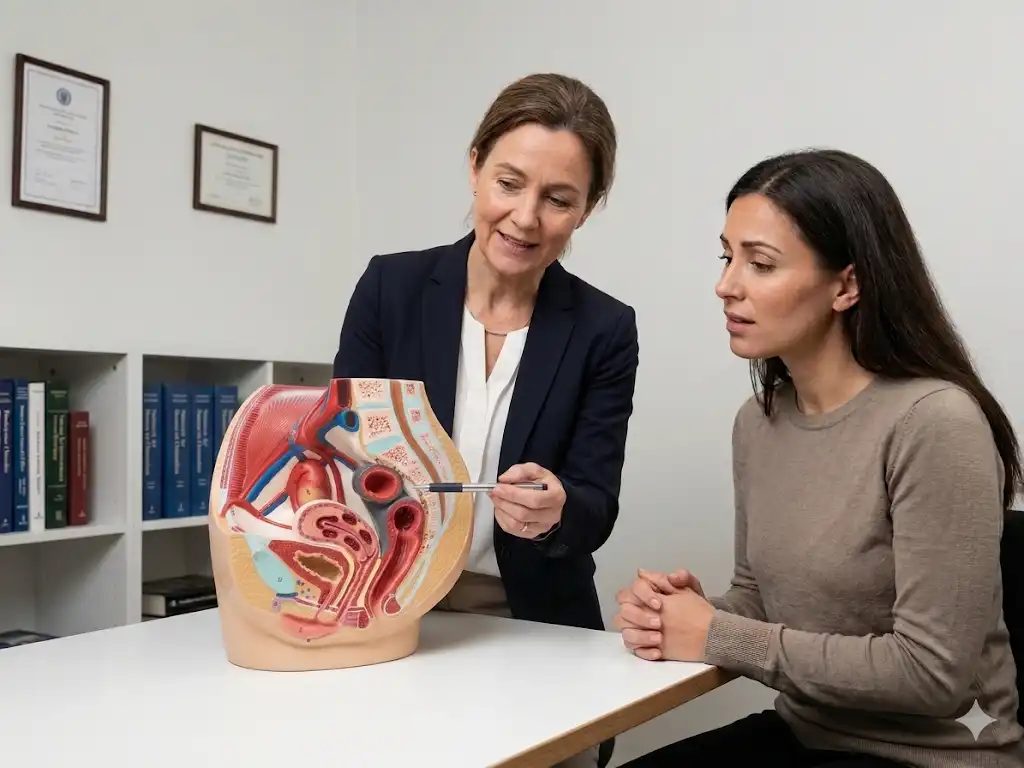
Often called “internal endometriosis,” adenomyosis occurs when endometrial cells infiltrate the uterine muscle (the myometrium). This makes the uterus larger, less flexible, and often very painful.
How to recognize it?
Diagnosis has long been difficult, but modern techniques are changing the game:
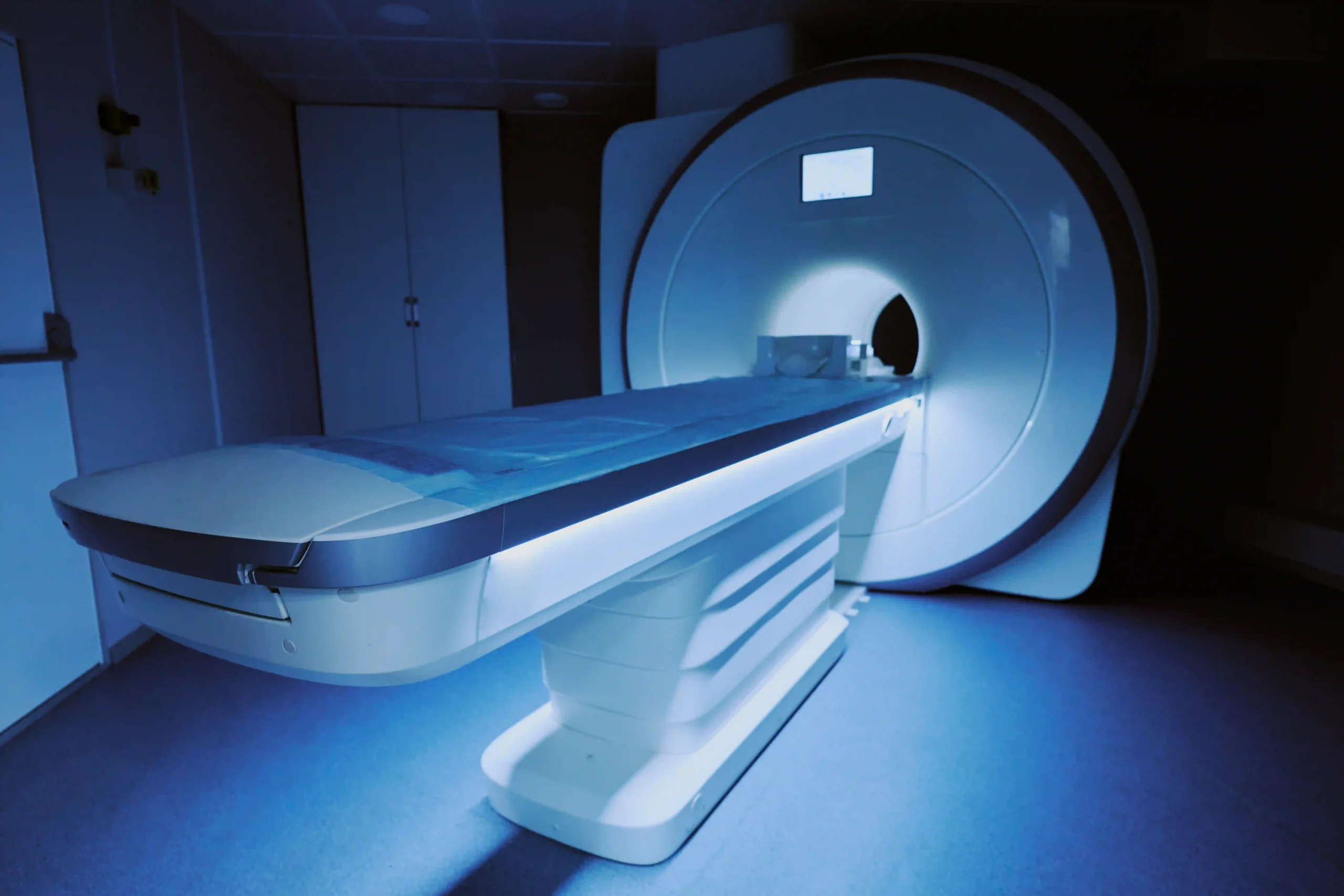
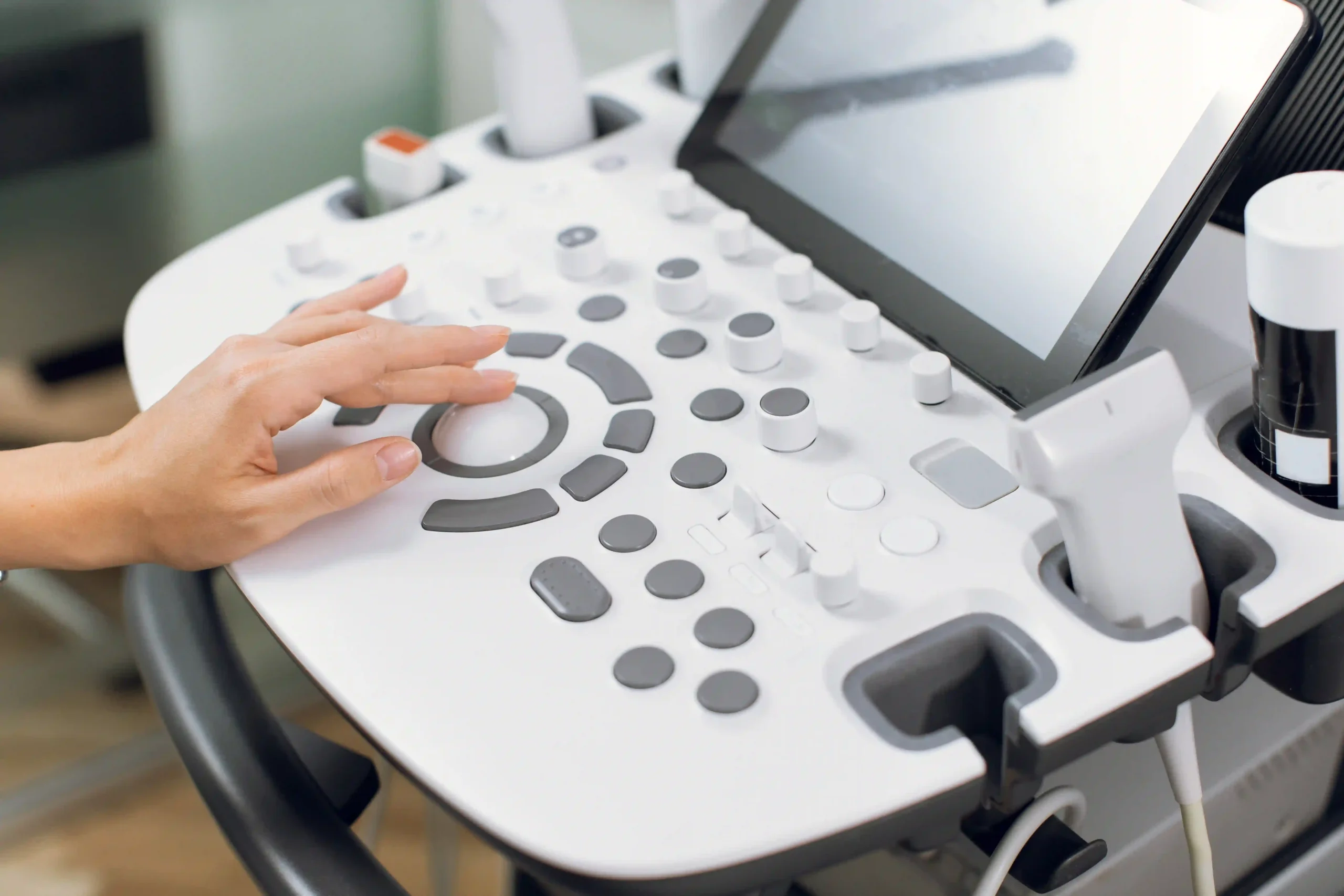
Ultrasound and MRI: Specific signs are looked for, such as a “globular” uterus or small cysts inside the uterine muscle (MUSA criteria).
The junctional zone: The interface between the lining and the muscle is observed, which is often altered in this condition.
Impact on daily life: It often manifests as extremely heavy periods (menorrhagia) and severe pelvic pain.
What are the solutions?
The strategy depends on the patient’s desire for pregnancy:
Fertility preservation: Medical treatments are preferred to stabilize the disease, as adenomyosis can complicate embryo implantation.
Conservative treatments: Use of hormonal IUDs or oral medications to reduce uterine volume and bleeding.
Hysterectomy: In severe cases, when the desire for children has passed, removal of the uterus remains the definitive solution.