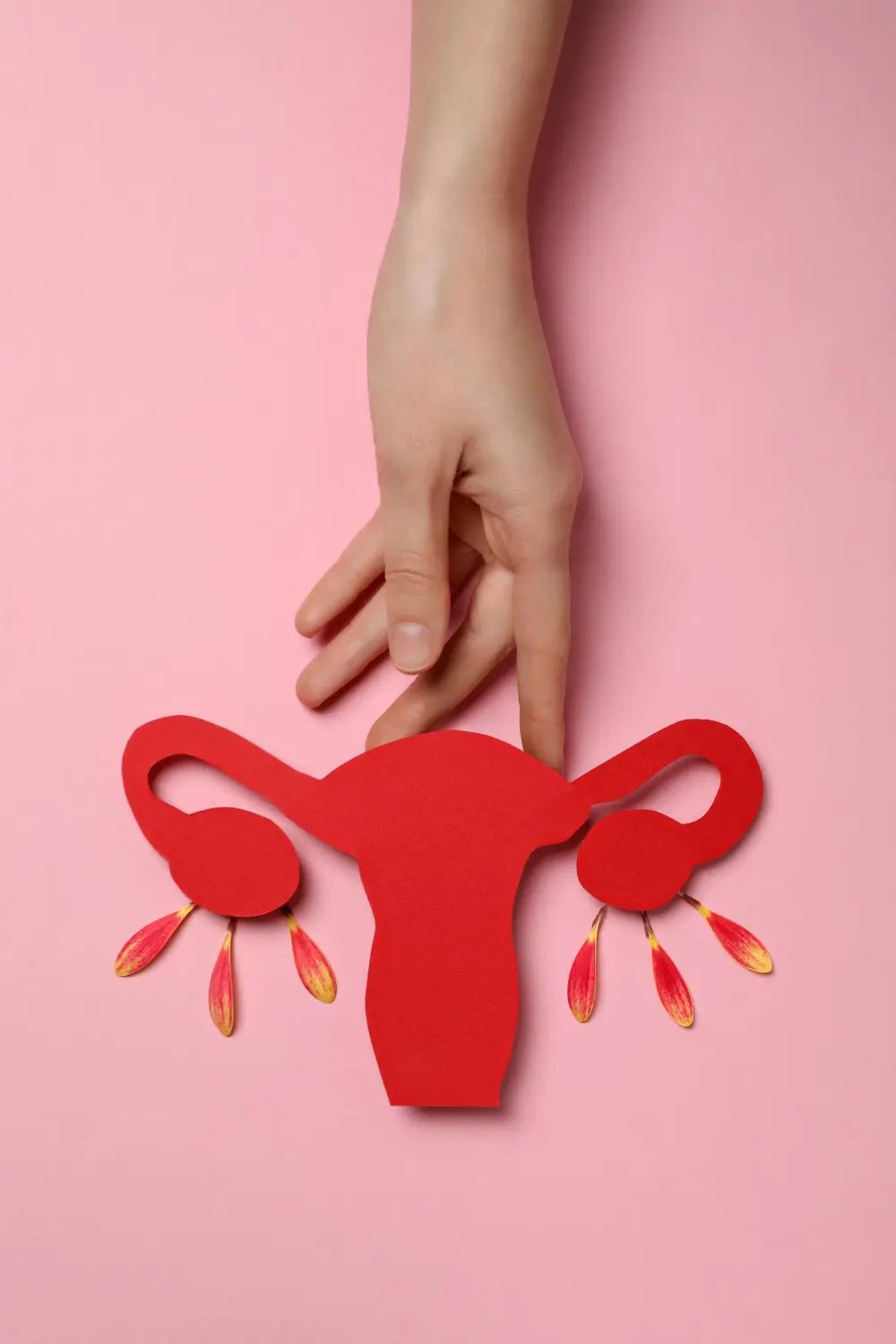
Endometriosis

What exactly is it?

Endometriosis is a chronic disease in which tissue similar to the lining of the uterus (the endometrium) grows elsewhere in the body. Imagine that this tissue behaves like the lining of the uterus: it bleeds every month, but because it has no outlet, it causes inflammation, scarring, and intense pain.

It affects approximately 1 in 10 women.

How can it be recognized?

Diagnosis often begins by listening to the symptoms. The doctor looks for :

  • Cyclical pain: Periods so painful that they prevent going to school or work.
  • Associated problems: Pain during sexual intercourse, chronic fatigue, or digestive and urinary problems.
  • Specialized imaging: To “see” the disease, ultrasound or MRI is used according to specific protocols, which allows mapping the extent of lesions in different compartments.

What are the solutions?

There is still no definitive cure, but symptoms can be managed effectively:

  • Hormonal therapy: The goal is to put the system at rest (often by suppressing menstruation) to reduce inflammation.
  • Surgery: Lesions are removed laparoscopically (through small incisions). The “shaving” technique, for example, is used to treat lesions on the rectum while preserving the organ.
  • The holistic approach: Treatment focuses not just on the lesion, but on the person. This includes managing fertility, nutrition, and mental well-being.